

Winter Triggers of Seasonal Affective Disorder (SAD)
Seasonal Affective Disorder (SAD) is a type of depression that follows a seasonal pattern, with symptoms typically emerging in late fall or winter and subsiding in spring or summer. While the exact cause of SAD remains under research, several winter-specific factors have been identified as key triggers, rooted in both environmental changes and biological responses. Below is a detailed breakdown of these triggers and their impacts on mental health.
1. Reduced Sunlight Exposure: The Primary Environmental Trigger
Winter’s most defining feature—shorter daylight hours and weaker sunlight—is widely recognized as the core trigger for winter SAD. This reduction in sunlight disrupts two critical biological processes in the body, directly contributing to depressive symptoms:
a. Disrupted Circadian Rhythms
Sunlight plays a vital role in regulating the body’s circadian rhythm (the internal “clock” that controls sleep-wake cycles, hormone production, and mood). In winter, when days are shorter, the brain receives less light in the morning and evening, which can:
- Delay the release of melatonin (the hormone that induces sleep), leading to oversleeping (a common SAD symptom) or poor sleep quality.
- Disrupt the timing of serotonin (a neurotransmitter linked to mood regulation), causing imbalances that trigger low mood, irritability, and fatigue.
For individuals with SAD, this circadian misalignment is more pronounced—their bodies struggle to adapt to the sudden shift in daylight, creating a “biological jet lag” that persists throughout the season.
b. Impaired Serotonin Production
Sunlight is a key stimulant for the brain’s production of serotonin, often called the “happy hormone.” Studies show that winter’s reduced sunlight can lower serotonin levels in the brain by up to 20% in people with SAD. This drop directly correlates with:
- Persistent feelings of sadness or hopelessness.
- Loss of interest in activities once enjoyed (anhedonia).
- Decreased energy and motivation.
Unlike non-SAD individuals, whose brains compensate for lower light by adjusting serotonin metabolism, those with SAD lack this adaptive ability, making them more vulnerable to winter’s light deficit.
2. Cold Temperatures and Reduced Outdoor Activity
Winter’s frigid weather often leads to increased time spent indoors, which acts as both a direct and indirect trigger for SAD:
a. Physical Inactivity and Mood
Outdoor activities (e.g., walking, hiking) are proven to boost endorphins (natural mood lifters) and increase exposure to sunlight. In winter, however, cold temperatures, snow, or ice can deter people from going outside, leading to:
- A decline in physical activity, which reduces endorphin levels and exacerbates feelings of sluggishness.
- A cycle of isolation: staying indoors limits social interaction, a key protective factor against depression. For those with SAD, this isolation can amplify feelings of loneliness and hopelessness.
b. Vitamin D Deficiency
Sunlight is the primary source of vitamin D, a nutrient that plays a role in regulating mood and brain function. In winter, reduced outdoor time and weaker sunlight (especially in high-latitude regions like Canada or Scandinavia) lead to widespread vitamin D deficiency. Research has linked low vitamin D levels to:
- Increased risk of depressive symptoms.
- Impaired function of brain chemicals like serotonin and dopamine, which are critical for emotional well-being.
While vitamin D deficiency alone does not cause SAD, it worsens existing vulnerabilities, making it a significant contributing trigger in winter.
3. Holiday-Related Stress and Emotional Pressure
For many, winter is associated with holidays (e.g., Christmas, Hanukkah, New Year’s), but these events can introduce unique stressors that trigger or worsen SAD:
a. Unrealistic Expectations and Disappointment
Media and cultural norms often portray holidays as times of joy, connection, and perfection. For individuals with SAD, however, these expectations can be overwhelming:
- Feelings of inadequacy if they cannot “keep up” with holiday traditions (e.g., gift-giving, hosting).
- Disappointment if holidays fail to meet emotional expectations (e.g., strained family relationships, loneliness during a time of supposed togetherness).
These emotions can intensify SAD symptoms, turning a normally stressful period into a crisis point for mental health.
b. Financial Stress and Routine Disruption
Holidays often bring financial pressure (e.g., gifts, travel, meals) and disrupt daily routines (e.g., irregular sleep, overeating). For those with SAD, routine is a stabilizing force—disruptions can:
- Worsen circadian misalignment (e.g., staying up late for holiday events).
- Increase anxiety about money, which triggers the body’s stress response (elevated cortisol levels) and further depletes mood-regulating chemicals.
4. Genetic and Biological Vulnerabilities
While winter’s environmental factors are the “triggers” for SAD, they interact with underlying biological traits to determine who develops the disorder:
a. Genetic Predisposition
Research suggests that SAD runs in families—individuals with a first-degree relative (e.g., parent, sibling) with SAD are 2–3 times more likely to develop it themselves. Specific genes, such as those involved in serotonin transport or circadian rhythm regulation, may make some people more sensitive to winter’s light and temperature changes.
b. Gender and Age Differences
SAD is more common in women (accounting for 75–80% of cases) and typically onset in young adulthood (ages 18–30). Hormonal factors (e.g., estrogen fluctuations) may explain the gender gap, as estrogen influences serotonin and melatonin levels. Young adults, meanwhile, often face increased stress (e.g., career transitions, financial independence) that amplifies winter’s triggers.
Conclusion: How Triggers Interact to Cause SAD
Winter’s triggers do not act in isolation—instead, they create a “perfect storm” for those vulnerable to SAD. Reduced sunlight disrupts circadian rhythms and serotonin production; cold weather limits outdoor activity and vitamin D intake; holiday stress adds emotional and financial pressure; and genetic traits make some people more susceptible to these changes.
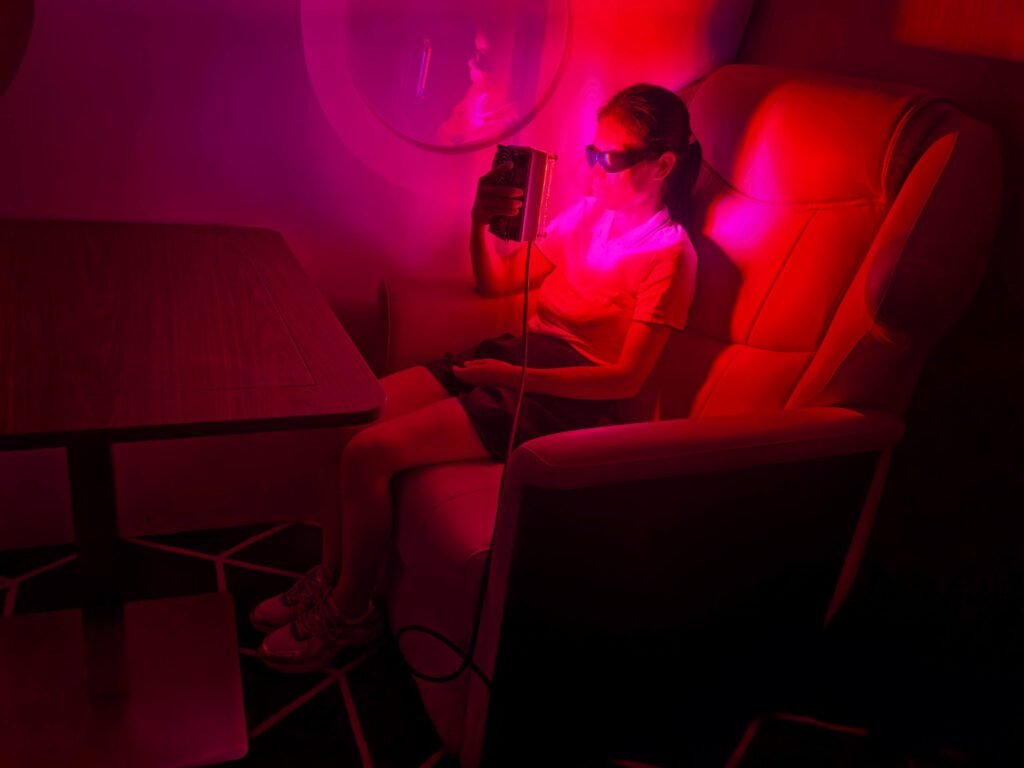
Understanding these triggers is critical for managing SAD: strategies like light therapy (to counteract light deficiency), regular exercise, vitamin D supplementation, and stress management can help mitigate their impact. By addressing the root causes of winter SAD, individuals can take proactive steps to protect their mental health during the darker months.