

chronic joint pain relief tips
Chronic joint pain—affecting knees, hips, shoulders, or hands—can turn daily tasks like walking, lifting, or even holding a cup into struggles. While over-the-counter meds offer quick fixes, they often come with side effects and don’t address the root cause. The good news? There are safe, science-backed natural methods to ease discomfort, boost joint health, and restore mobility—including innovative solutions like red light therapy, alongside diet, exercise, and lifestyle adjustments. In this guide, we’ll break down actionable strategies for chronic joint pain relief, plus explore how complementary therapies (like phototherapy and light therapy) can support long-term comfort and overall wellness.
1.Low-Impact Exercise: Strengthen Joints Without Strain
Prioritize Anti-Inflammatory Foods for Chronic Joint Pain Relief
The food you eat directly impacts joint inflammation—one of the top drivers of chronic pain. To ease discomfort, focus on a diet rich in nutrients that calm inflammation and support cartilage health:
Omega-3 fatty acids: Found in salmon, mackerel, and chia seeds, these fats reduce pro-inflammatory molecules (like prostaglandins) that irritate joints. Aim for 2–3 servings of fatty fish weekly, or add a flaxseed supplement if you’re plant-based.
Antioxidant-rich produce: Berries (blueberries, raspberries), leafy greens (spinach, kale), and bell peppers are packed with vitamins C and E, which protect joint tissues from oxidative damage. Try adding a handful of berries to your morning oatmeal or a green salad to lunch.
Turmeric and ginger: These spices contain curcumin and gingerol, natural compounds that block inflammation pathways. Brew ginger tea with a pinch of turmeric, or sprinkle turmeric on roasted veggies for a flavor boost.
Avoid processed sugars, refined carbs (white bread, pastries), and trans fats (fried foods, packaged snacks)—these trigger inflammation and worsen chronic joint pain over time. Even small dietary swaps (like swapping soda for herbal tea or white rice for quinoa) can make a noticeable difference in 4–6 weeks.
Red light therapy
Red light therapy has emerged as a non-invasive, science-backed solution for diverse health and beauty needs, with research confirming its ability to penetrate skin layers and stimulate cellular repair. A comprehensive study published in the National Center for Biotechnology Information (NCBI) details how specific wavelengths trigger biological responses that support pain relief, skin health, and overall wellness . Unlike harsh treatments, it works in harmony with the body’s natural processes, making it suitable for long-term use across multiple scenarios.
2.Low-Impact Exercise: Strengthen Joints Without Strain
When joint pain strikes, exercise might feel counterintuitive—but inactivity weakens the muscles that support joints, leading to more discomfort. The key is choosing low-impact movements that boost strength and flexibility without straining:
Walking: A 20–30 minute daily walk (on flat ground or a treadmill) improves blood flow to joints, reduces stiffness, and maintains mobility. Start slow—even 10 minutes twice a day works—and gradually increase duration.
Swimming or water aerobics: Water supports your body weight, making it easy to move without pressure on knees or hips. Join a local pool’s water aerobics class, or swim laps for a full-body workout that eases joint tension.
Yoga for joint health: Gentle yoga poses like cat-cow, child’s pose, and seated spinal twists enhance range of motion and stretch tight muscles around joints. Use a yoga block for support, and avoid poses that cause sharp pain (discomfort is normal, but pain should be mild).
Aim for 150 minutes of moderate low-impact exercise weekly, plus 2–3 strength training sessions (using light weights or resistance bands) to build muscle. Stronger muscles act as “shock absorbers” for joints, reducing stress and chronic pain over time.
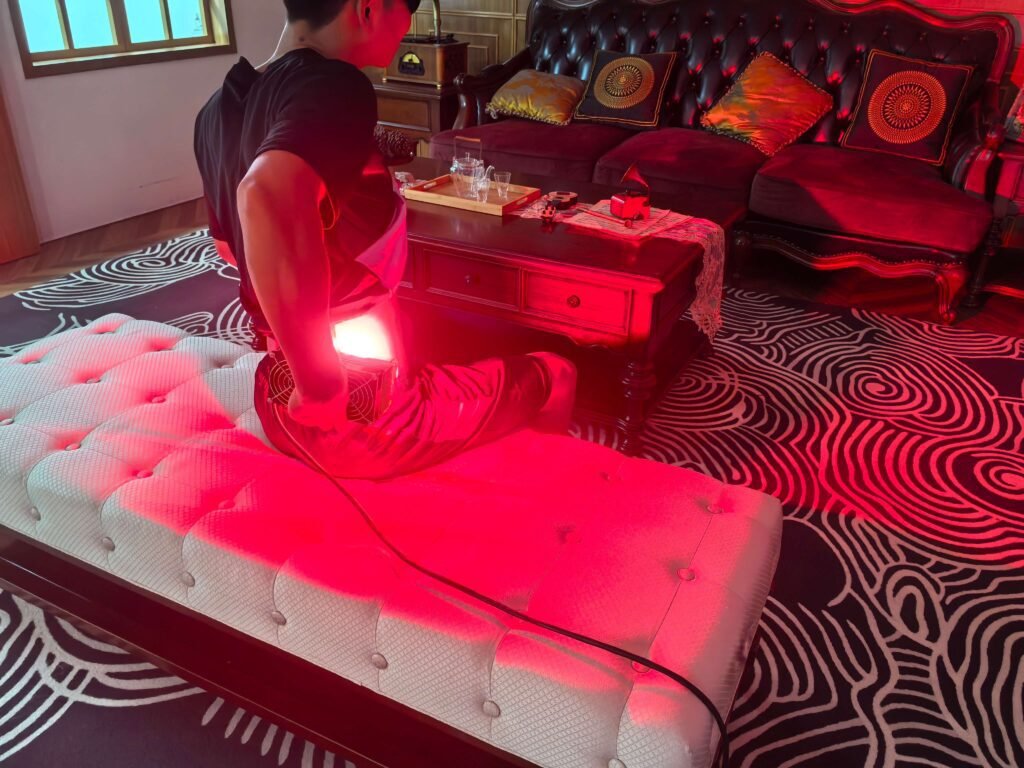
Red light therapy for back pain at home
For those struggling with chronic or occasional back pain, red light therapy offers a convenient at-home alternative to medications or physical therapy sessions. Healthline’s in-depth guide explains that targeted light exposure reduces inflammation in spinal tissues and eases muscle tension, with many users reporting relief after just 2-3 weeks of consistent use . Our portable device is designed to fit comfortably on chairs or beds, allowing you to address back pain while relaxing, working, or unwinding—no professional setup required.
3.Red Light Therapy: A Breakthrough for Chronic Joint Pain Relief
In recent years, red light therapy has emerged as a game-changing natural solution for chronic joint pain relief. Unlike medications that mask symptoms, this non-invasive treatment targets the root cause of pain— inflammation and damaged joint tissues—using low-level light wavelengths.
Red light therapy works by delivering 660nm red light and 850nm near-infrared light deep into joint tissues. The light penetrates 2–5 centimeters below the skin, where it stimulates mitochondria (the “powerhouses” of cells) to produce more ATP (cellular energy). This boost in energy accelerates tissue repair, reduces inflammatory cytokines (like TNF-α and IL-6), and increases blood flow to sore joints—all of which combine to ease soreness, reduce stiffness, and improve mobility.
For best results, use a red light therapy device directly on painful joints (knees, hips, shoulders) for 10–15 minutes per session, 3–5 times weekly. Clinical studies show that consistent use can reduce chronic joint pain intensity by up to 50% in 6–8 weeks. Unlike invasive procedures, there are no side effects—just gentle, natural relief that complements other methods like diet and exercise.
Red light therapy for sleep quality improvement
Poor sleep often stems from disrupted circadian rhythms, but red light therapy can help rebalance your body’s internal clock. A study in the Journal of Clinical Sleep Medicine found that low-level red light exposure in the evening suppresses melatonin-disrupting blue light effects, leading to deeper, more restful sleep . Using our device for 15-20 minutes before bedtime helps calm the nervous system, reduce nighttime restlessness, and improve morning alertness—without the grogginess of sleep aids.
4.Phototherapy: Support Recovery (and Prevent Joint Strain) Post-Workout
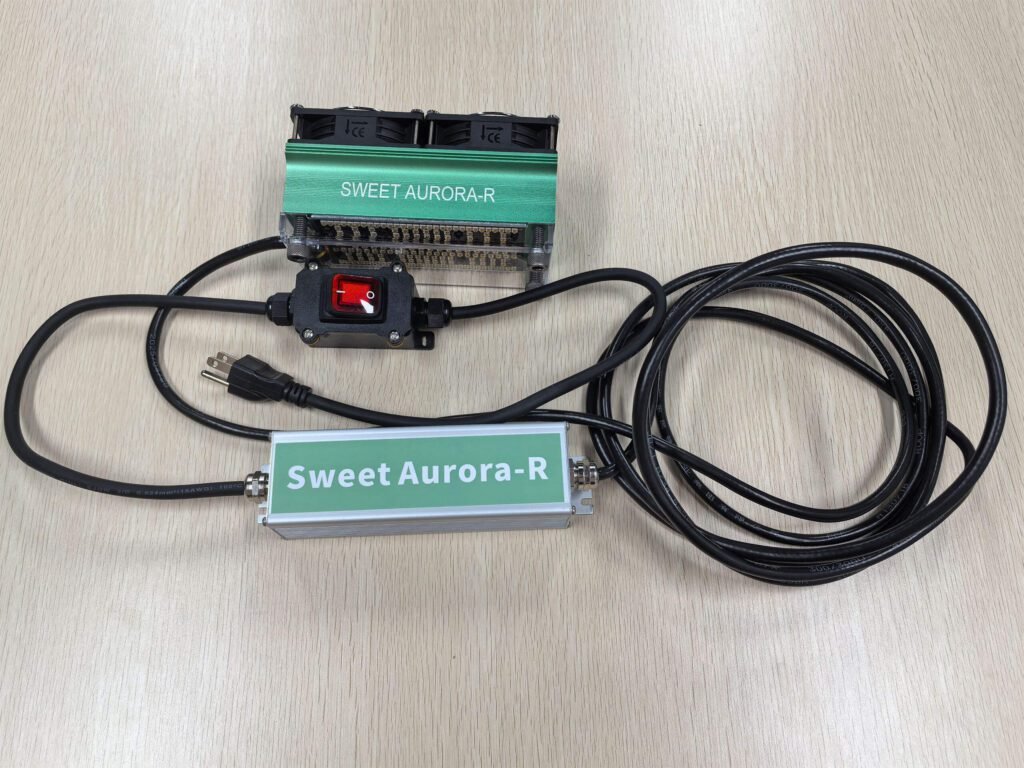
While phototherapy is often linked to post-workout muscle soreness, it also plays a key role in supporting chronic joint pain relief. Here’s why: intense workouts (even low-impact ones) can cause micro-tears in muscles around joints, leading to inflammation that spreads to joint tissues. By using phototherapy for post-workout muscle soreness, you reduce this inflammation before it worsens joint pain.
Phototherapy (a form of light therapy that includes red light) penetrates muscle tissue, increasing oxygen and nutrient flow to fatigued muscles. This speeds up the repair of micro-tears, flushes out lactic acid, and calms inflammation—so muscles recover faster, and joints stay protected. The best time to use phototherapy is within 1–2 hours after your workout: position the device over sore muscles (like quads, hamstrings, or upper back) for 15 minutes.
For example, if you do a walking workout and feel tightness in your knee muscles, using phototherapy on your quads and calves reduces that tightness—preventing it from putting extra strain on your knee joint. Over time, this not only eases post-workout soreness but also lowers the risk of chronic joint pain flare-ups.
Red light therapy for sports injury recovery
Athletes and fitness enthusiasts often face muscle strains, sprains, or post-workout soreness that hinders performance. NCBI research highlights how red light therapy accelerates tissue healing by increasing blood flow and promoting collagen production, cutting recovery time for sports-related injuries . Our device’s adjustable intensity settings let you target specific injury areas—whether it’s a strained hamstring or sore shoulders—making it a must-have for anyone looking to get back to training faster.
5.Light Therapy for Cellular Inflammation: Target Pain at the Source
Chronic joint pain is often fueled by cellular inflammation— a persistent, low-level inflammation that damages joint tissues over time. While diet and exercise help, light therapy for cellular inflammation management offers a direct way to calm this inflammation at the cellular level.
Light therapy (using red and near-infrared light) works by targeting mitochondria in cells. When light hits these mitochondria, it boosts ATP production and activates a protein called Nrf2, which triggers the body’s natural anti-inflammatory response. This reduces the release of pro-inflammatory molecules (like IL-1β and COX-2) and increases the production of antioxidants that protect joint cells from damage.
Unlike oral anti-inflammatories that affect the entire body, light therapy is targeted—you can focus it directly on painful joints, ensuring maximum relief where you need it most. Use a light therapy device for 15–20 minutes daily on your most sore joints (e.g., knees, wrists). Many users report less stiffness in the morning and reduced pain during daily activities after 3–4 weeks of consistent use.
6.Bonus: Red Light Therapy for Facial Wellness—Because Self-Care Supports Pain Management
While the focus of this guide is chronic joint pain relief, self-care plays a key role in managing pain—stress and poor sleep worsen inflammation, which amplifies joint discomfort. Red light therapy offers unexpected benefits for facial wellness that indirectly support pain management:
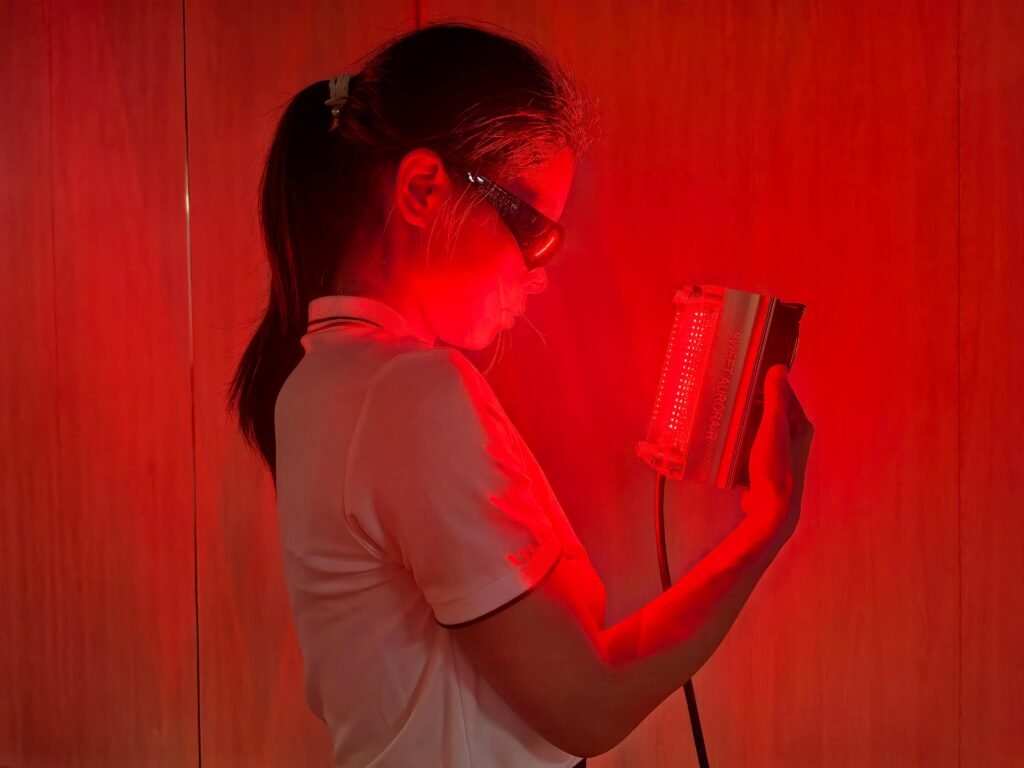
Facial collagen repair & anti-aging: Red light therapy for facial collagen repair & anti-aging stimulates collagen production in the skin, reducing sagging and dullness. A 10-minute daily session with a facial red light device improves skin texture, which can boost confidence and reduce stress (a major pain trigger).
Fine lines reduction & focus support: Red light therapy for fine lines reduction & focus support softens crow’s feet and forehead lines by plumping skin from within. Additionally, morning red light sessions regulate melatonin production, improving sleep quality and enhancing focus during the day. Better sleep and less stress mean lower inflammation—and less chronic joint pain.
Think of it as a holistic win: taking 10 minutes to care for your skin with red light therapy not only boosts your appearance but also supports the physical and mental wellness needed to manage joint pain.
Red light therapy for skin hydration & barrier repair
Healthy skin starts with a strong moisture barrier, and red light therapy is a powerful tool for nurturing it. A study in Skin Pharmacology and Physiology demonstrates that red light stimulates hyaluronic acid production and strengthens the skin’s lipid layer, reducing dryness, redness, and sensitivity . Perfect for those with dry skin, eczema, or post-treatment irritation, our therapy device delivers gentle, consistent light that hydrates from within—no harsh chemicals or temporary fixes.
7.Lifestyle Adjustments to Keep Joint Pain at Bay
Small daily changes can complement the strategies above, keeping chronic joint pain under control:
Heat and cold therapy: Use a heating pad (15–20 minutes) on stiff joints in the morning to relax muscles, or an ice pack (10–15 minutes) on sore joints after activity to reduce inflammation.
Weight management: Excess weight puts extra pressure on knees and hips—even losing 5–10 pounds can reduce joint pain by 20–30%. Focus on a balanced diet and regular exercise to maintain a healthy weight.
Good posture: Slouching or hunching strains joints in the back, neck, and shoulders. Sit with a lumbar pillow for support, and keep your feet flat on the floor when working at a desk.
Final Thoughts: Your Holistic Plan for Chronic Joint Pain Relief
Chronic joint pain doesn’t have to control your life—by combining anti-inflammatory eating, low-impact exercise, red light therapy, and lifestyle adjustments, you can ease discomfort and restore mobility naturally. Remember, consistency is key: most natural methods take 4–8 weeks to show results, so stick to your routine even if progress feels slow.
If you’re ready to try red light therapy for chronic joint pain relief (or phototherapy for post-workout recovery), choose an FDA-registered device with medical-grade LEDs—this ensures safety and effectiveness. And don’t forget the power of self-care: whether it’s a daily walk, a facial red light session, or a warm cup of turmeric tea, small acts of care add up to big relief.
Start today, and take the first step toward a life with less joint pain and more joy in daily movement.
Shop Sweet Aurora’s Red Light Therapy Devices for Joint Pain | Read More: How Light Therapy Reduces Cellular Inflammation
chronic joint pain relief, Phototherapy for post-workout muscle soreness, Light therapy for cellular inflammation management, Red light therapy for facial collagen repair & anti-aging, Red light therapy for fine lines reduction & focus support